
SIEGFRIED R. HAMISCH
PIRNA, GERMANY 1921–2005
- Branch of service
- United States Army
- Primary military occupation
- Intelligence Officer, Linguist
- Highest rank achieved
- Captain
- Dates of service
- March 1942 – 1950s
- Wartime unit
- Headquarters Company, 1st Battalion, 116th Infantry Regiment, 29th Infantry Division
- Campaign awards
- Normandy, Northern France, Rhineland, Central Europe
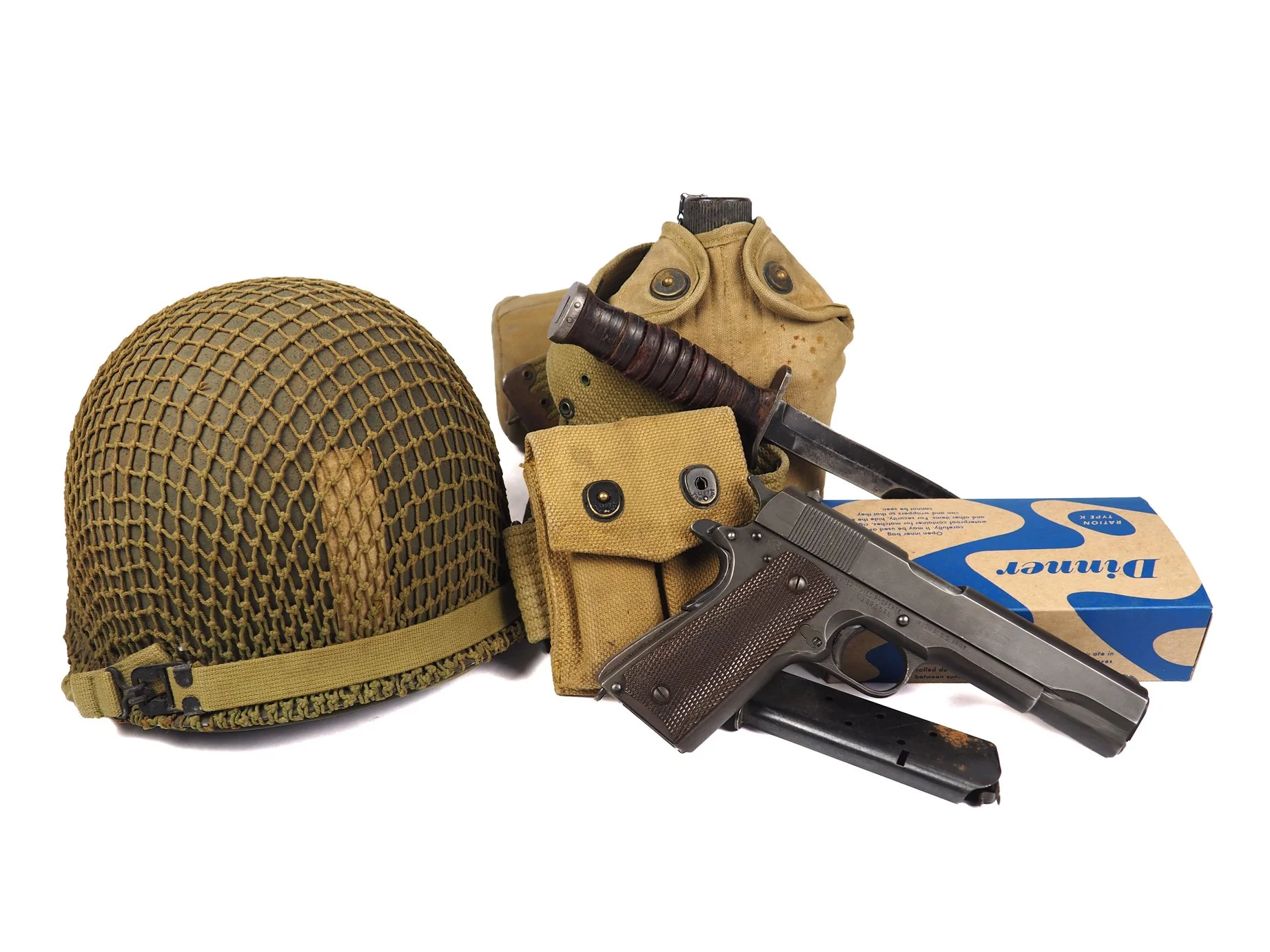
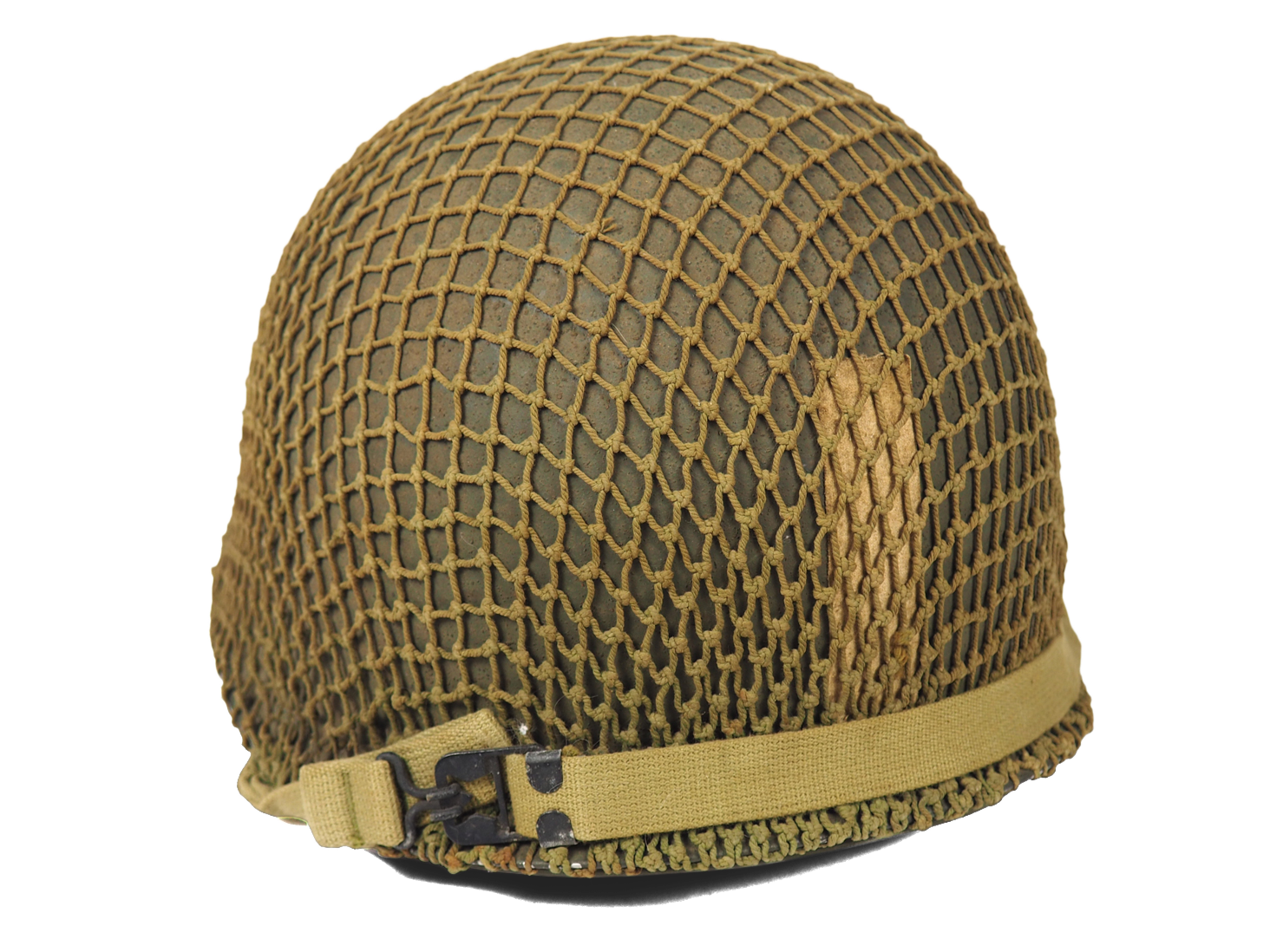
Some kit of Lieutenant Hamisch. The M1911, M3 Knife, and ration box were added for display.
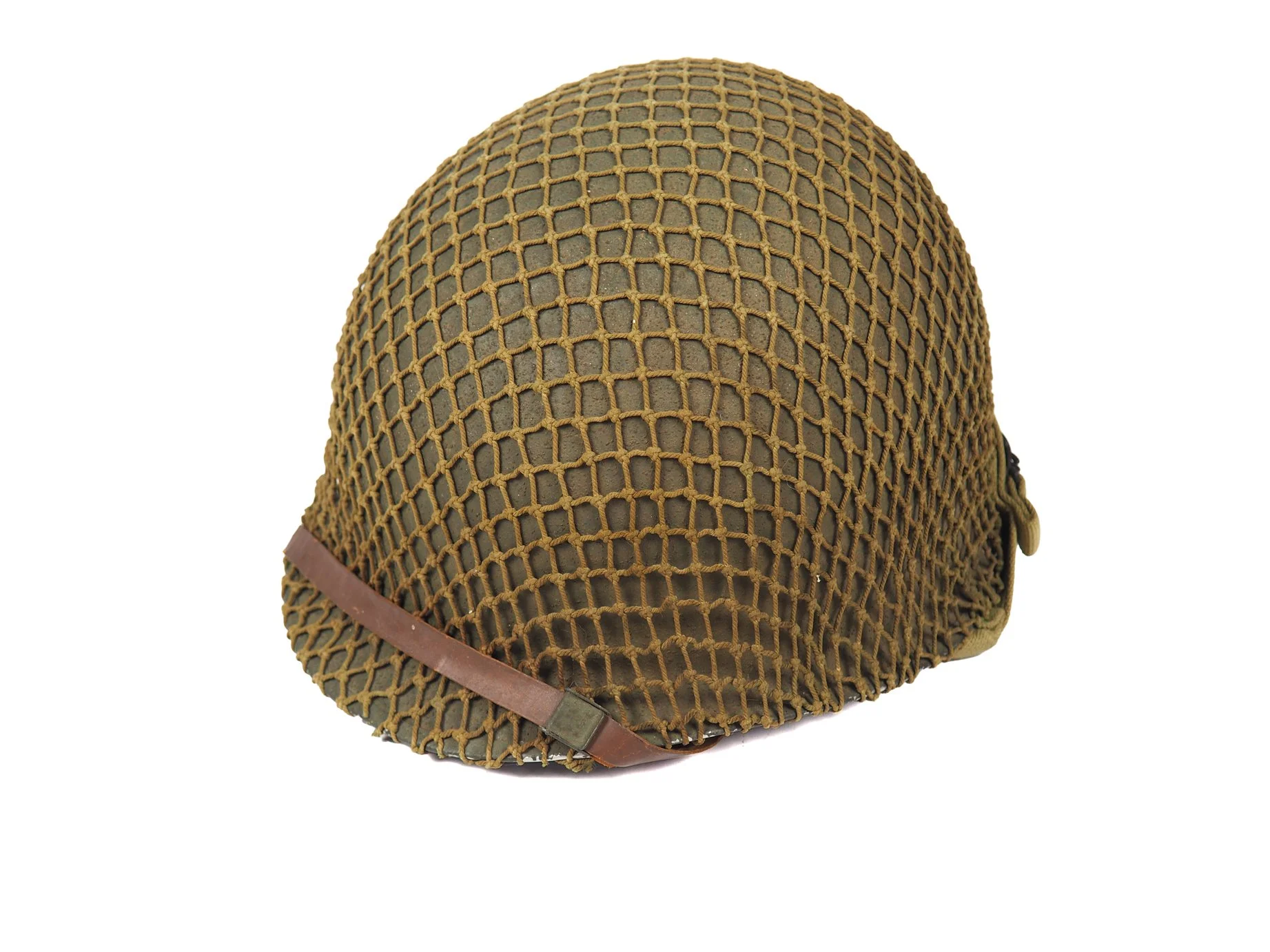
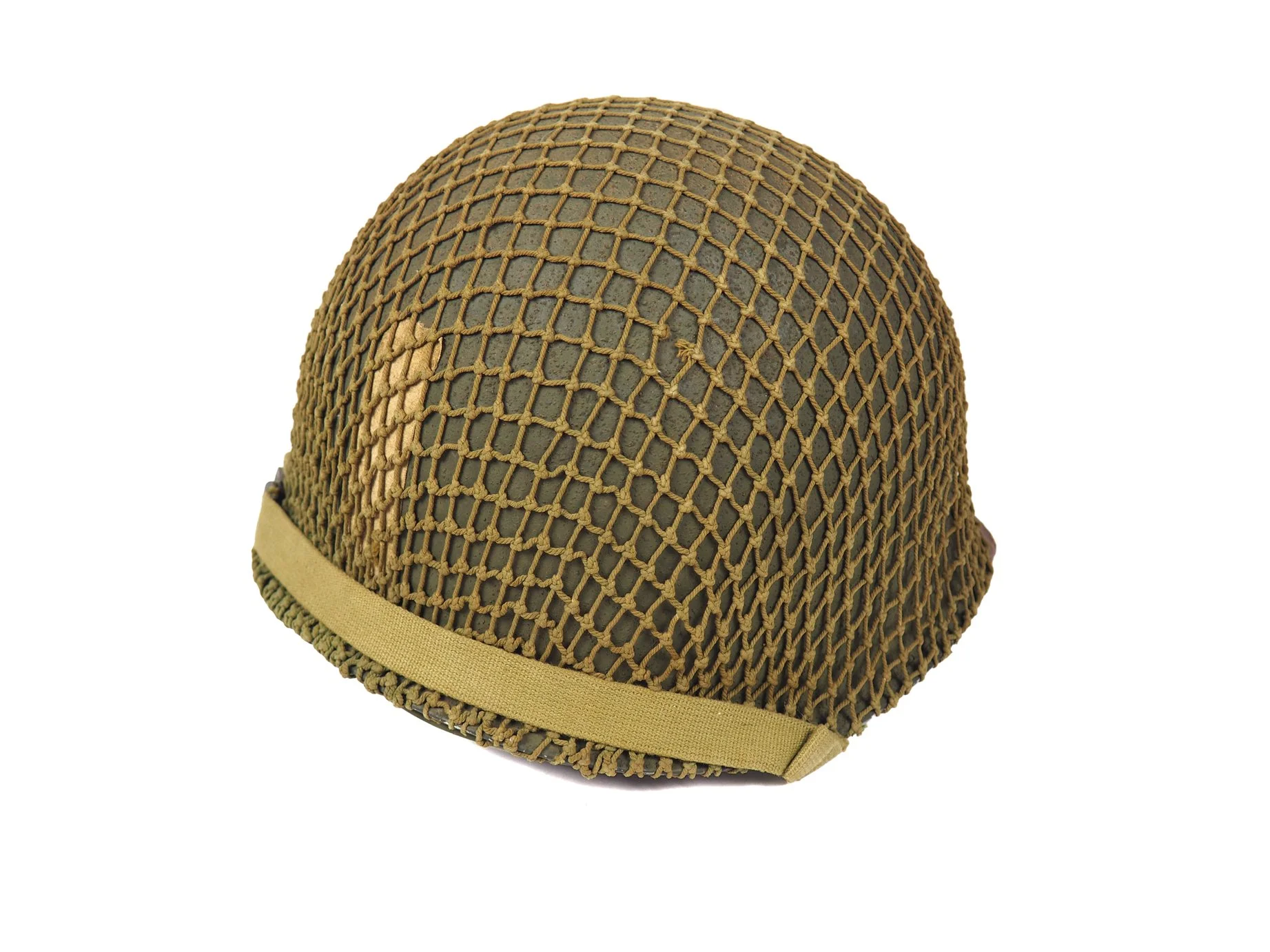
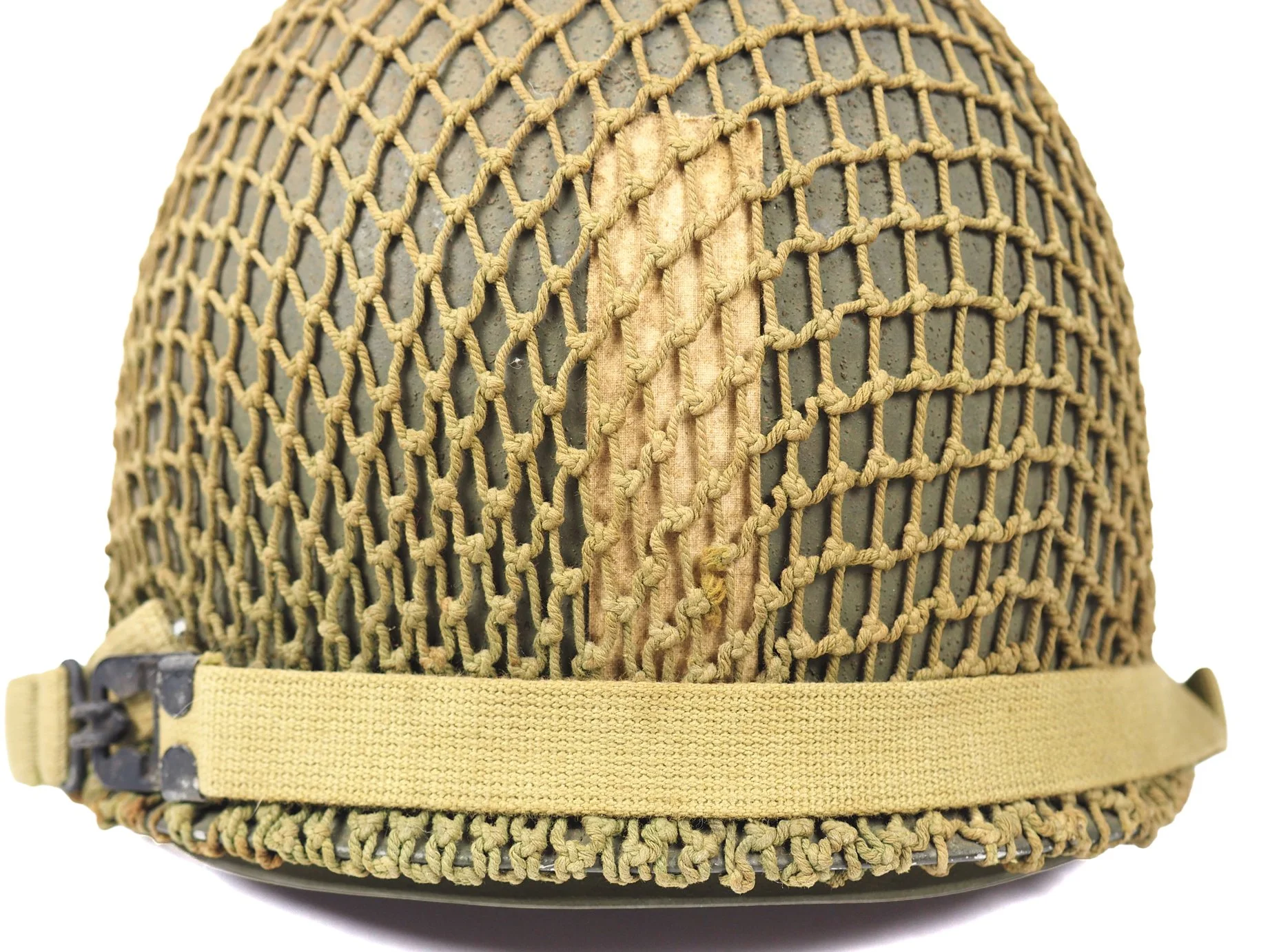
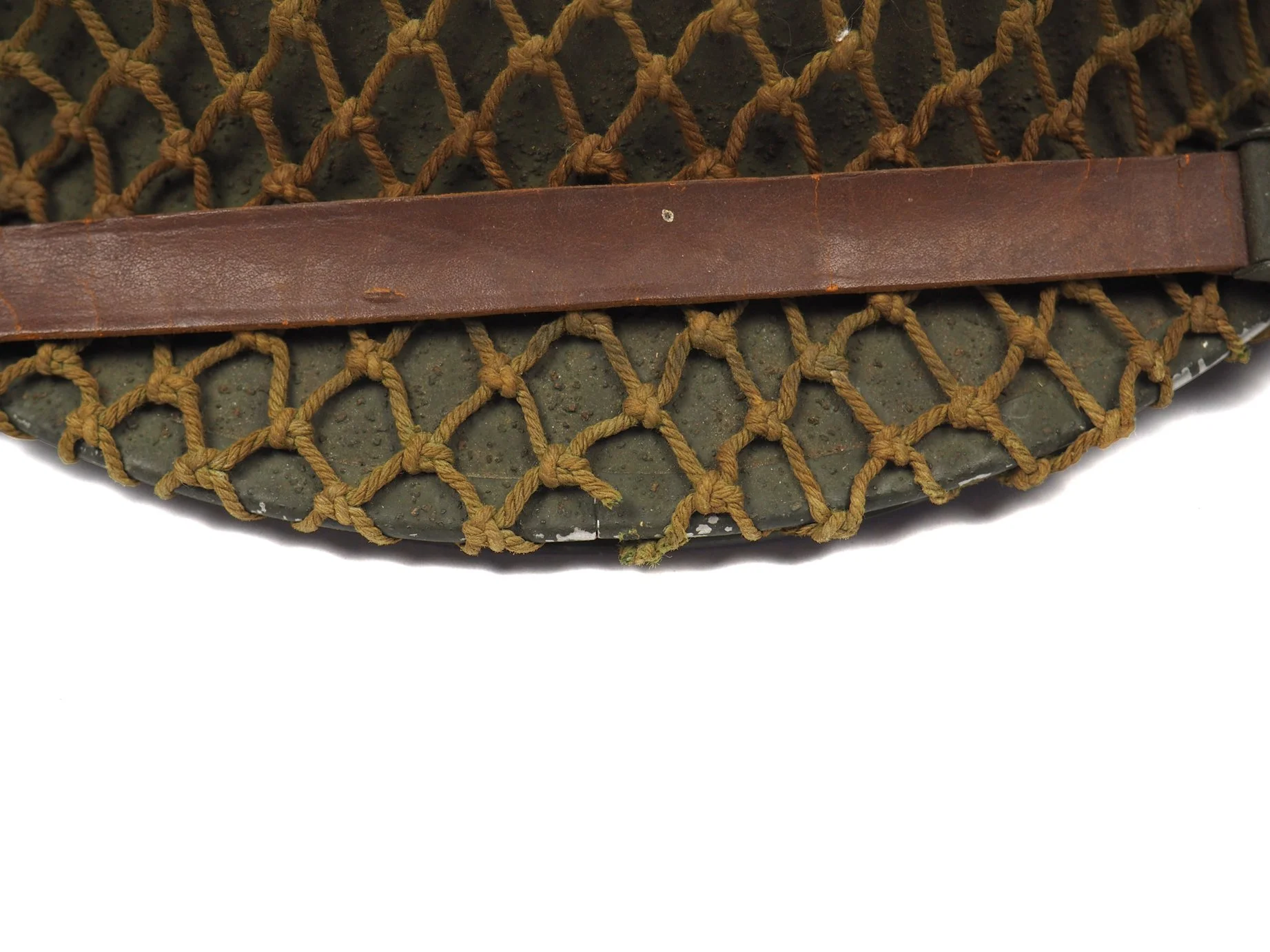
The "ETO Bar", or a vertical stripe used to identify officers in the field, applied with a strip of medical tape on the rear of Lieutenant Hamisch's helmet.
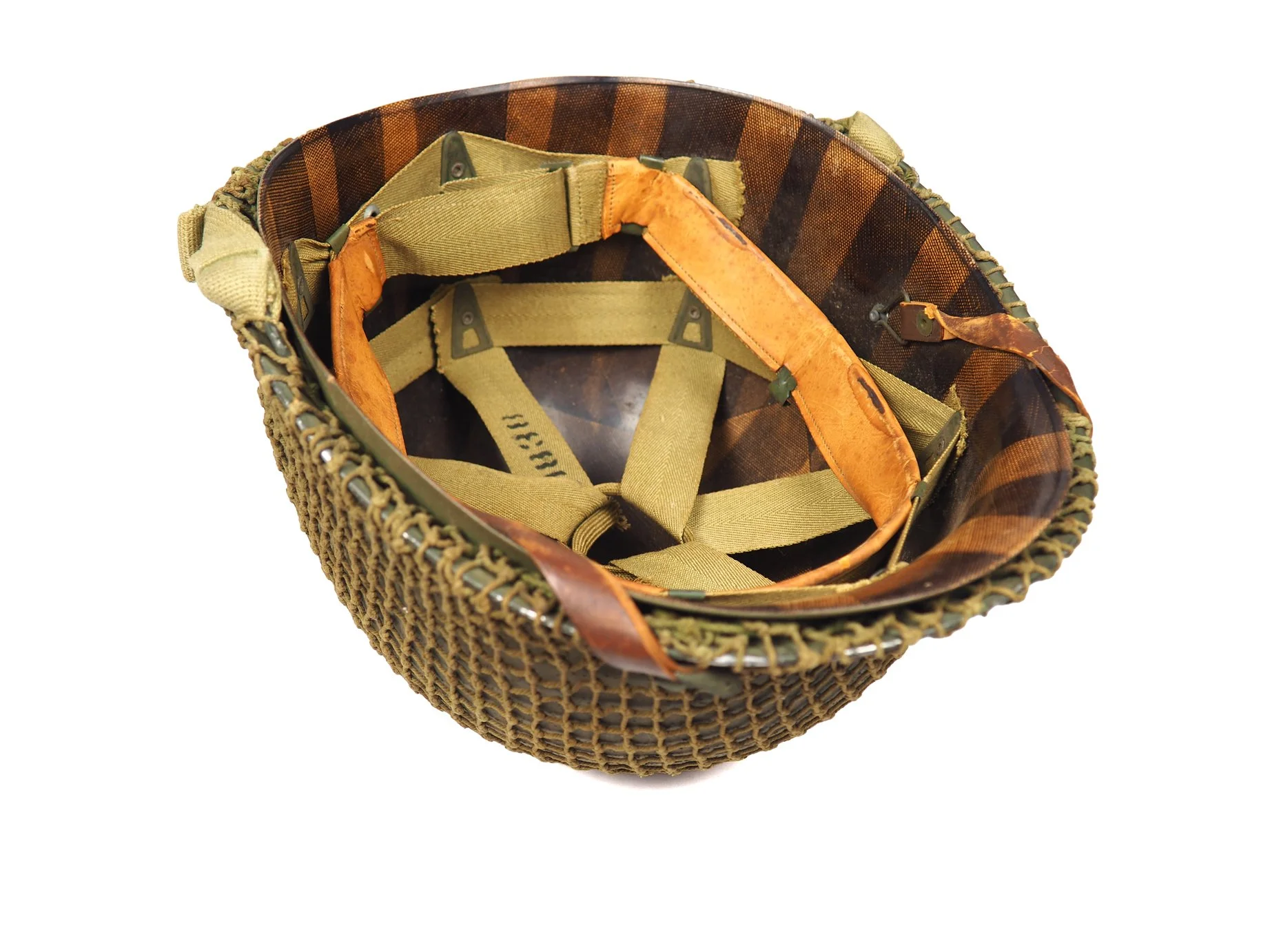
Hamisch's partial laundry number stamped in the liner webbing.
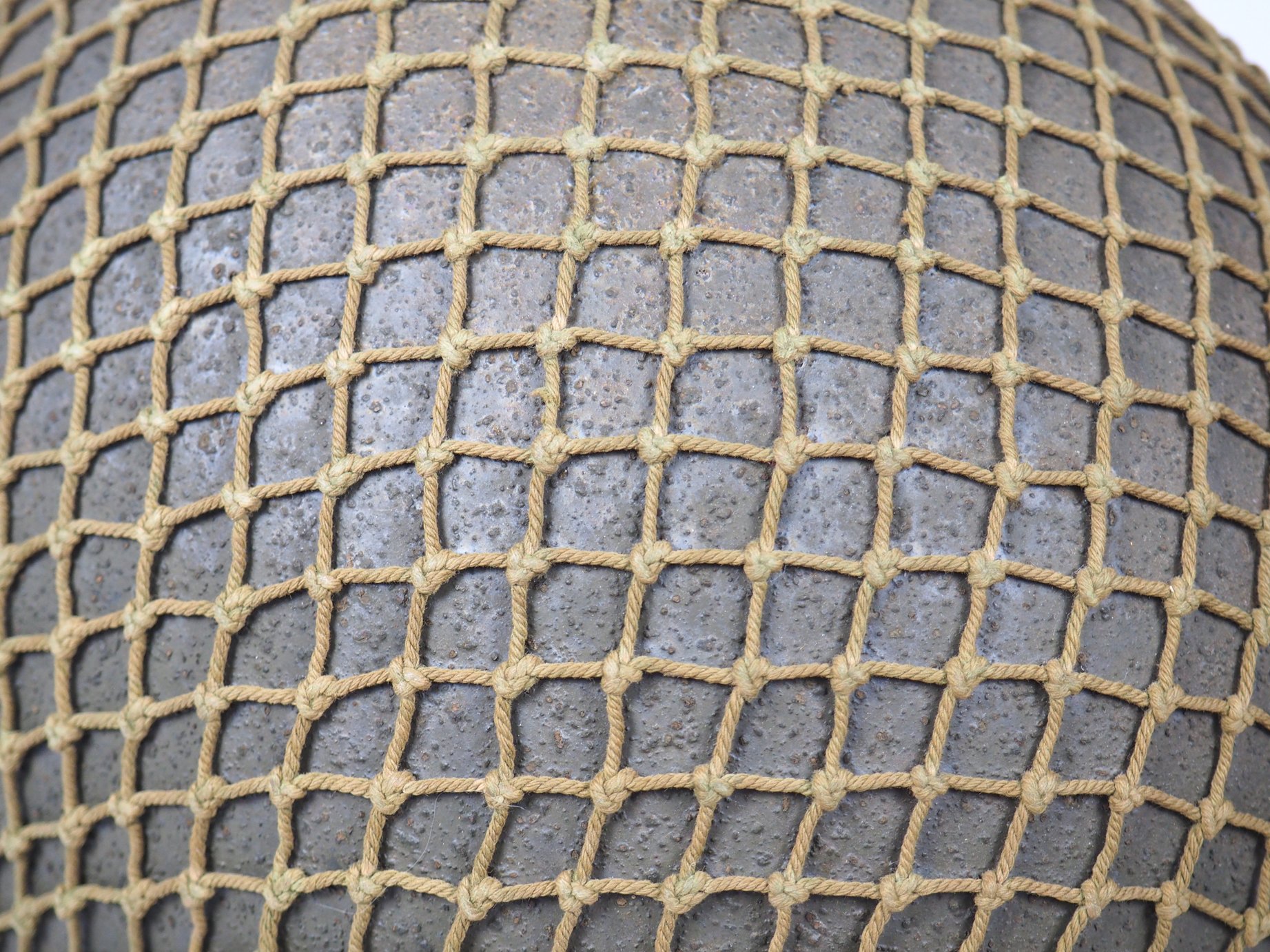
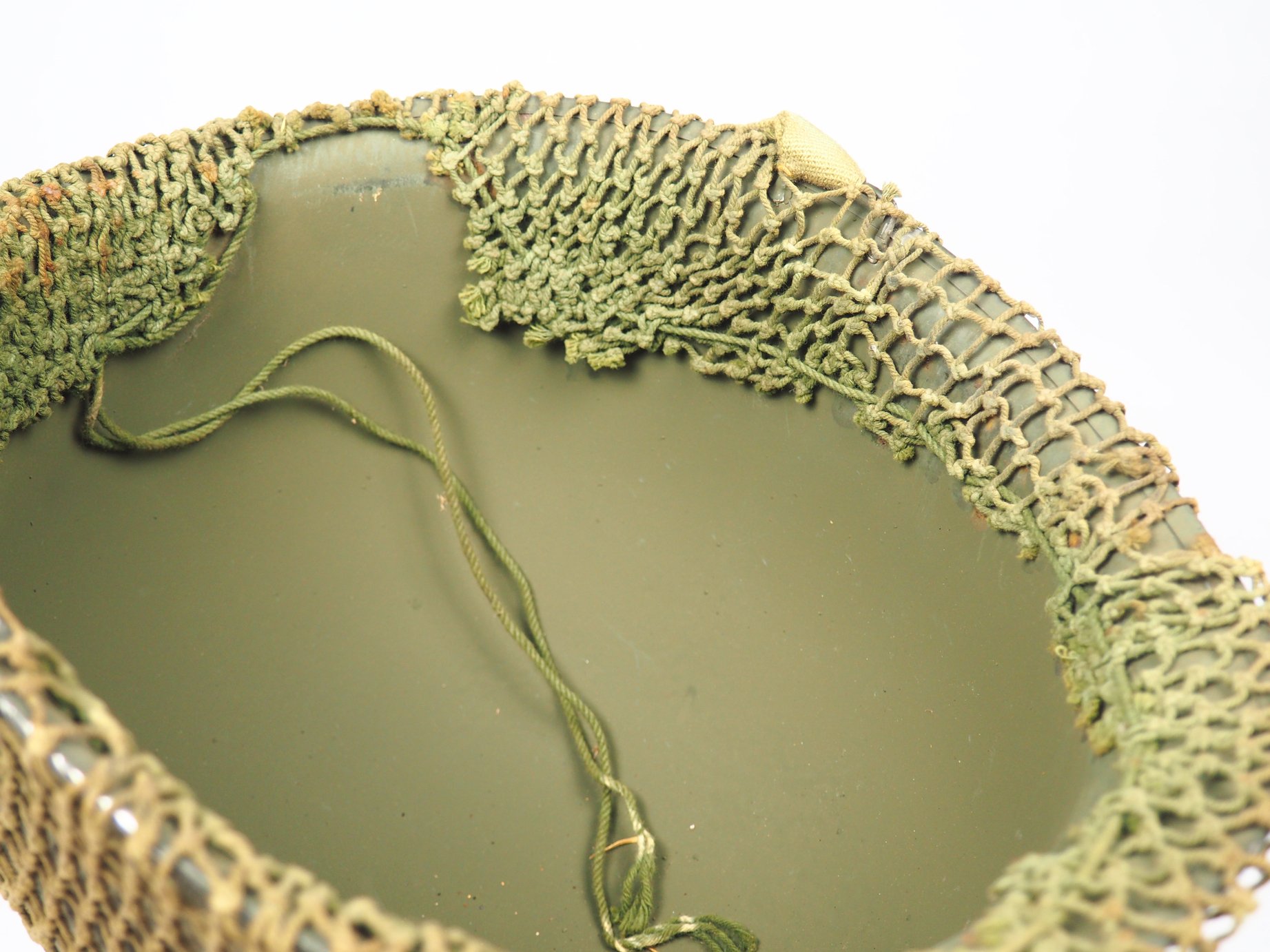
GERMAN BORN AMERICAN OFFICER
Siegfried Hamisch’s life began in a country that many American veterans of World War II would “visit,” so to speak, though few would know it the same as he did. Siegfried Hamisch was born in Pirna, Germany, in 1921 and immigrated to the United States before the war, settling in the tiny town of Boyden, Iowa. In March 1942, Hamisch was drafted into the U.S. Army. The Army recognized the skills and resolve he possessed, and sent him to Officer Candidate School where enlisted men are pulled from the ranks to be leaders. Now a Second Lieutenant, Siegfried Hamisch was sent to Headquarters Company, 1st Battalion, 116th Infantry Regiment, 29th Infantry Division on July 6, 1944 as an intelligence officer and German linguist. Of important note, the 29th Division is a Pennsylvania National Guard unit. They had never seen combat before D-Day and they faced a form of discrimination from regulars and commanders from active duty units. The objectives they shared with the battle tested 1st Infantry Division for D-Day were of extreme importance, and some believed that the 29th would not be able to perform in the same manner as more experienced soldiers
Yet the exploits of the 29th Division are ironclad in the history books for their bloody landing on Omaha Beach where certain elements of the 116th and 115th Infantry were entirely wiped out. Despite the insurmountable odds against the 29ers, they succeeded in their beach invasion and captured crucial objectives to secure a beachhead for American troops. By the time Lieutenant Hamisch joined the ranks, the 29th Division had pushed the Germans back several miles southwest of the Norman beachhead to Saint Lo, surrounded by beautiful, rolling, hedgerow lined hills - but at this time, it was anything but beautiful and the hedgerows offered a great deal of cover and concealment for German defenders. Saint Lo offered great importance to both German and American armies for its crossroads as well as the Eglise Notre Dame cathedral which gave artillery observers several miles of visibility. The Battle of Saint Lo can be written about for hundreds of pages, so I will attempt to set the scene and convey information relevant to Lieutenant Hamisch.
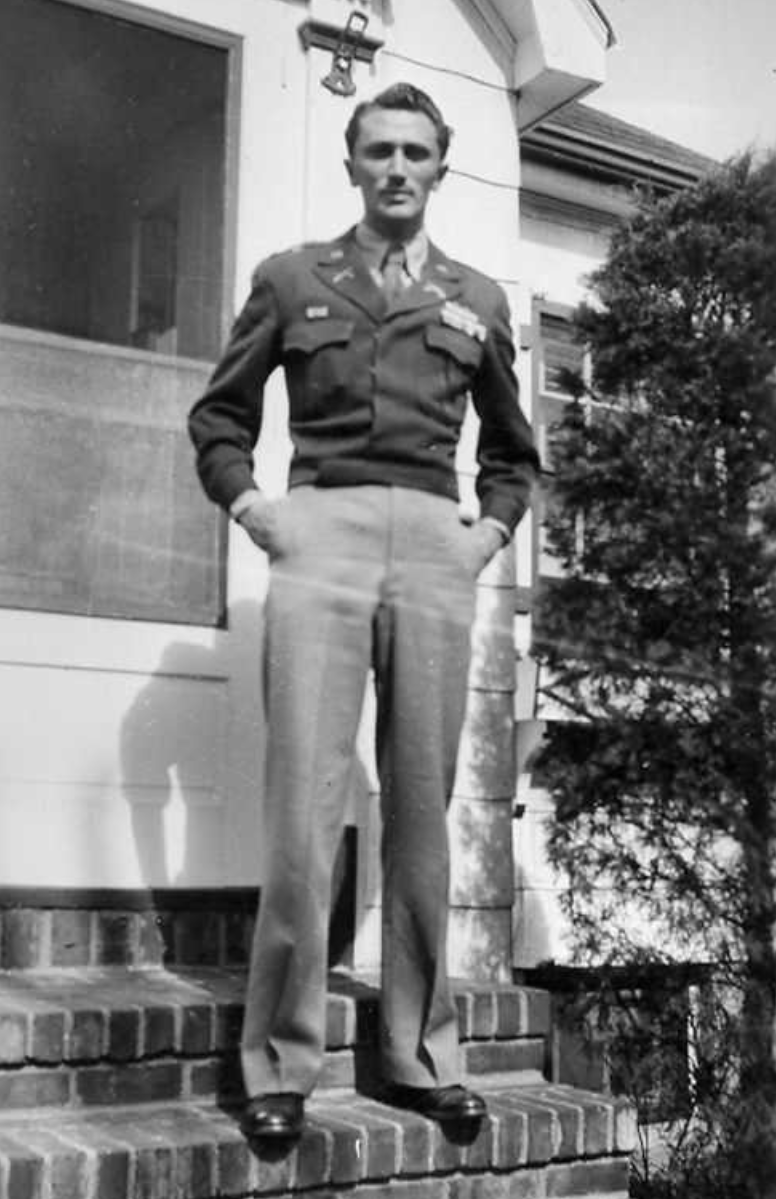
1st Lieutenant Siegfried Hamisch in New York
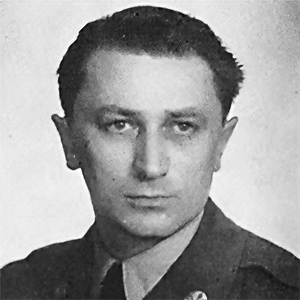
Master Sergeant Hamisch, DePaul University 1955
SAINT LO
The majority of the battle was not fought in Saint Lo itself, and most of the fighting was relegated to the hills on the outskirts. In fact, the town was essentially pulverised into nothing from bombing and artillery. The Germans fighting against the 116th Infantry in this area were a mix of veteran and green troops from the 3rd Fallschirmjager Division and the 352nd Infantry Division who fought tooth and nail to keep the Americans out of Saint Lo.
On July 9, the neighboring 1st Battalion, 115th Infantry had a suspicious encounter with a German medic who approached their line waving a white flag and carrying a note written in English asking for a two hour cease fire to clear no man’s land of the dead. The truce was accepted. At 0130 on July 11, a well coordinated Fallschirmjager attack ensued. The paratroopers broke into the 1st Battalion line and the scene turned into an animalistic, close quarters brawl augmented with small arms and hand grenades. Telephone lines were cut, 29ers were captured, and some retreated in fear, yet the Americans ultimately drove the German paratroopers back to their positions. . It is believed that the German soldier who approached the lines to offer a truce was cunningly collecting intelligence on the American positions - hence how the Fallschirmjagers seemed to know the location of everything in this assault. Perhaps unaware of the Fallschirmjager’s deceptive tactics, or just outright courageous, Lieutenant Hamisch would experience it in his own way. The following excerpt, which in part details how Siegfried Hamisch was awarded the Silver Star, was written by a Baltimore Sun War Correspondent who had interviewed Hamisch.
GERMANS WANT TO CONFER
A runner came down the ditch from the road as we sat talking with the major and reported that Germans a few hedgerows from our troops had given indication they wanted to talk with our men, but there seemed a possibility of a trap of some sort. Lieut. Siegfried Hamisch, of Boyden, Iowa, volunteered the information that he could speak German and offered to run down to see what they wanted…
...The conversation ended momentarily with a few more rounds from Jerry which sent a cloud of dirt into the ditch on our heads. A few moments later Hamisch came back along the line, followed by a sergeant.
“It was just what we figured,” he said. “I stood up to talk to one of them, waving a white flag, when another Jerry took a shot at me from the hedgerow behind him. My sergeant dropped the sniper with his carbine and we ducked out of there. It looks as though they wanted us to expose ourselves so they could shoot at us.”
SILVER STAR
On 14 July 1944, Hill 147 near St. Lo, France, Lt. Hamisch (then 2nd Lt.) voluntarily went forward of our lines to interrogate an enemy, waving a white flag, evidently intent on effecting a surrender. Accompanied by an EM, he proceeded cautiously forward when two other enemy, concealed from their view, opened fire on them, revealing a trap. Lt. Hamisch and his companion succeeded in killing all three of the enemy before returning to safety of their own lines...
Lieutenant Hamisch’s M1911 magazines pictured with a 1943 M1911A1. It is chilling to recognize these magazines very well could have been loaded with rounds to kill the enemy mentioned in his Silver Star citation.
NORMANDY BREAKOUT
Lieutenant Hamisch and the 116th had survived a brutal tank assault which involved the German guns firing point blank on their positions, incessant artillery barrages, and German defense in depth, only to enter Saint Lo and discover that seemingly everything they bled over was pulverized to dust. Coupled with the fact that Lieutenant Hamisch had killed men from his home country, it must have been a time of mental fatigue for the young Lieutenant. Yet, as a soldier, it is expected that you continue moving forward, and that is what the 29ers did.
By August, the 116th had arrived near the French town of Vire where they fought the same Fallschirmjager and infantry troops, though finally free of the hedgerow hell that claimed the lives of many thousands of men. Vire was fought over for several days, with the Germans utilizing more tanks and self propelled guns, but it was not enough to crack the resolve of the 116th Infantry Regiment. It was on August 8, 1944, somewhere in the outskirts of Vire that Lieutenant Hamisch was wounded in action by German machine gun fire to his arm. The 116th Infantry’s after action reports declare that Hamisch’s battalion was taking part in a highly successful assault on entrenched Germans on Hill 203, using 81mm mortars with great effect at the entirely too close range of 200 yards. Not only did Vire earn Siegfried Hamisch a Purple Heart and life long scars, it would award him a second Presidential Unit Citation to accompany the one he received in Normandy while serving with the 1st Battalion, 116th Infantry Regiment.
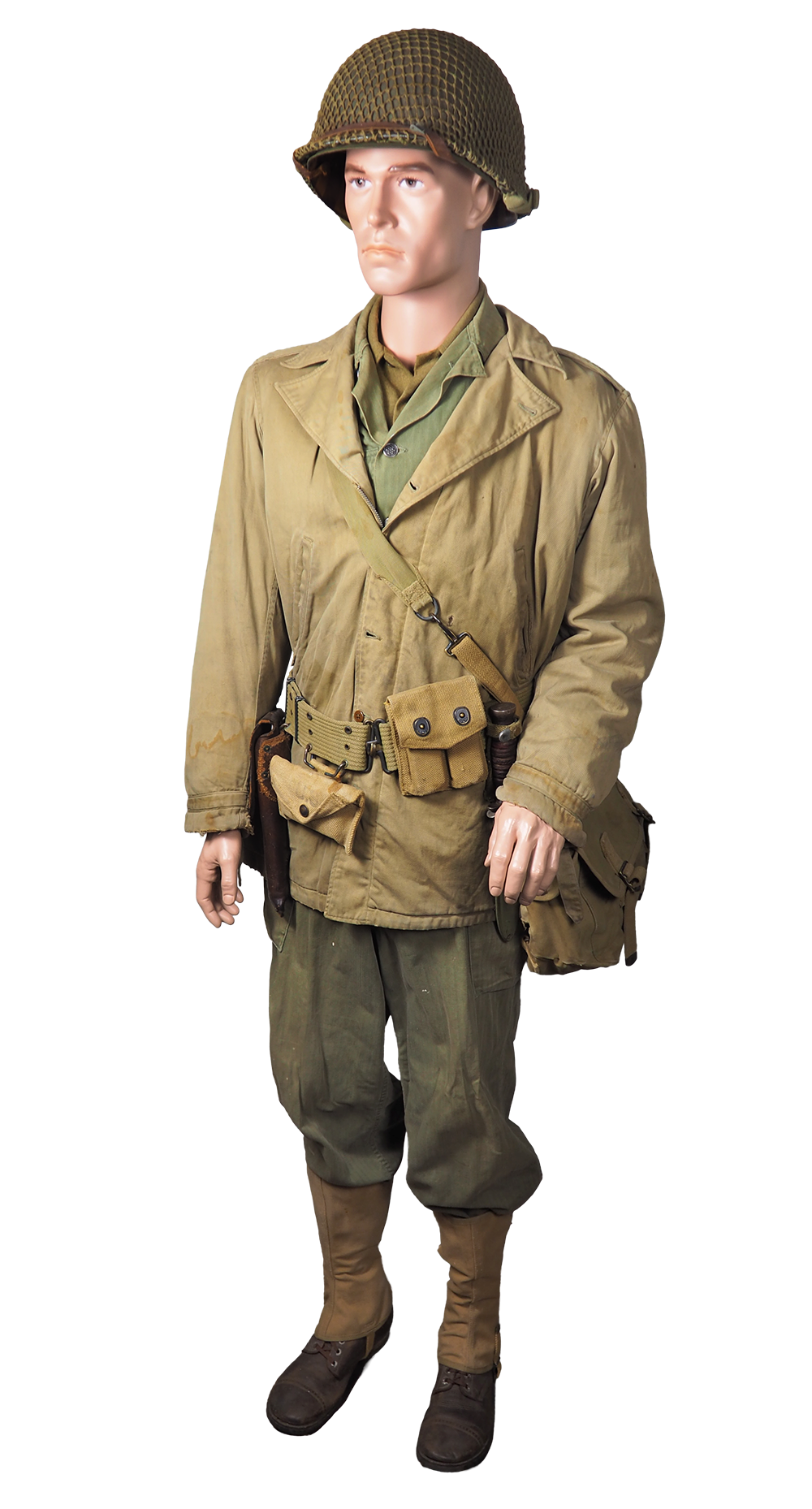
Lieutenant Hamisch’s kit augmented with other pieces to portray what he may have been wearing in Normandy in the summer of 1944.
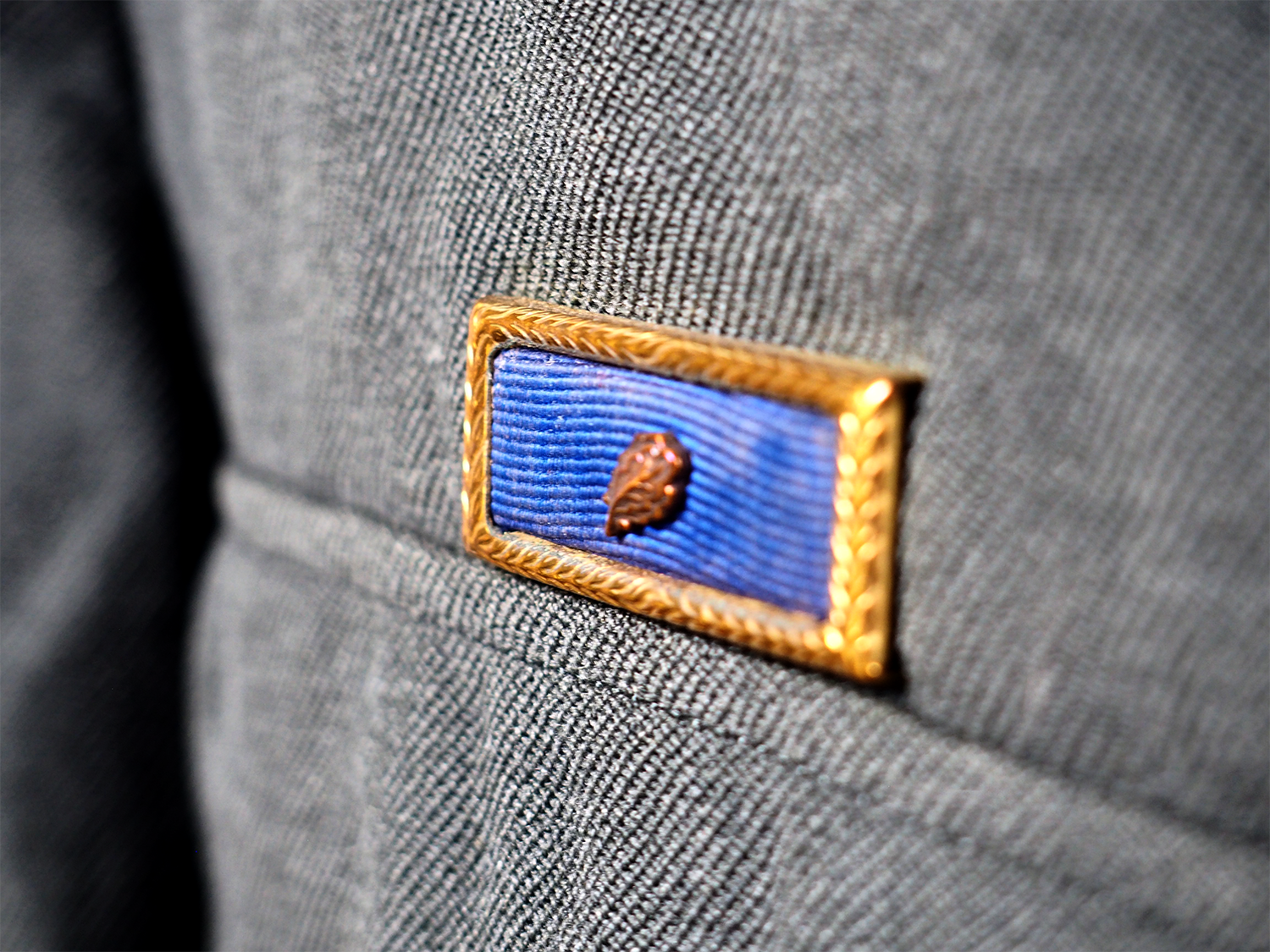
Siegfried Hamisch’s Presidential Unit Citation ribbon with oak leaf for second award. The award is given to all members of a unit during a specific time frame based on the units exemplary performance. In this case, the 1st Battalion 116th Infantry was awarded one for Normandy and one for Vire.
While his wound was substantial, as Hamisch’s granddaughter recalls, “his lower arm was mangled - a long wide scar down to the wrist”, it did not earn him a ticket home and it did not stop him from being a thoroughbred leader. Lieutenant Hamisch returned back to the 1st Battalion S-2 (intelligence section) on November 21, 1944, where just north of a week being on the line at Koslar, Germany, he would write in the history books the remainder of his Silver Star citation.
SILVER STAR CONT.
On the 29th of November, 1944, he led a patrol into Koslar, Germany, to make the physical contact with “G” Company, 2nd Bat., 116th Infantry, who had been completely cut off by the enemy for two days. Their course was through minefields, under severe enemy shell fire and after stealthily penetrating the enemy’s lines they faced fire from those friendly isolated forces who were shooting at everything that moved. Company G had eighteen prisoners; nine of their own men wounded and in need of medical attention. Using the prisoners as litter bearers, Lt. Hamisch led the group back through the enemy lines to safe territory. He immediately organized another patrol and with much needed rations and supplies, set out to recontact Company G. On this second mission the party encountered an enemy patrol but they were able to drive the enemy off after wounding one of their number and taking another prisoner. He then successfully completed his mission without the loss of a man.
His courageous actions and will to win, despite all odds, have won for Lt. Hamisch the deep admiration and respect of all who have served with him. His exemplary leadership, often in complete disregard of his own life in the face of enemy fire, has been responsible for the completion of many missions requiring skill and unrelenting determination.
Siegfried Hamisch was eventually promoted to First Lieutenant in 1945 and stayed in Germany until 1947 with the 654th QM Gasoline Supply Company, a mixed unit where both black and white men served together - segregation in the ranks existed until 1948. In my opinion, although take it for a grain of salt, Hamisch opted to stay in his home country for a while after the war. Perhaps the weight of war and fighting against his countrymen was enough reason to return to the Fatherland when it wasn’t ruled under an iron fist. I also believe that since most men were discharged within a few months to a year of V-J Day, he more than likely would have had to opt in to stay in the Army. While in Germany, Hamisch married a German woman, Karin Gudowski. He finally returned to the United States in 1947 to command the recruiting station in Lima, Ohio. Eventually, he was recalled as a Captain to active duty and sent to Austria during the Korean War with the 350th Infantry Regiment. Thankfully, his unit was never called to the front. Finally, after the Korean War, Captain Hamisch’s grade was reduced to Master Sergeant (not due to any malicious conduct), and it appears he was on the ROTC staff at DePaul University in Illinois.
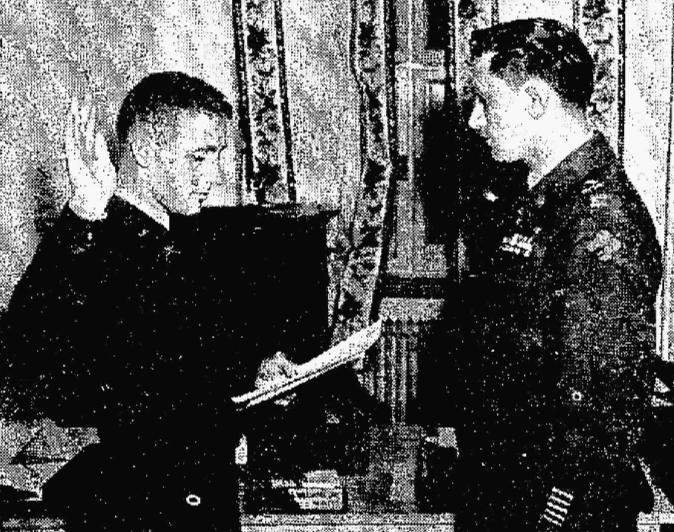
Siegfried Hamisch (right) receiving his commission as Captain in the United States Army in Salzburg, Austria.
Siegfried Hamisch’s wartime experience was truly unique. He fought under his adopted nation’s flag against his own countrymen, performing far beyond what was expected of a man who, as a reminder to the reader, had been drafted into service. It is difficult to put the depth of his courage into words and perhaps that is best left to the men who served and bled with him.
Siegfried Hamisch and his wife, Karin, would become parents and, later, grandparents, although I do not know how many children they had. Before his death in 2005, Siegfried wrote two books—Anton’s Mountain and The Bunker on Edelweiss Mountain—which I admittedly have yet to read.